Husky Demolition
Lead Dust Remediation in Newcastle
- Full or partial structure removal
- Safe, efficient project turnaround
- Compliant with NSW regulations
Contact Us
Thank you for contacting Husky Demolition.
We will get back to you as soon as possible.
Oops, there was an error sending your message.
Please try again later.
Newcastle Lead Dust Remediation
Lead dust isn’t always easy to spot—but it can pose serious health risks, especially in older homes, schools, and commercial buildings. Even low-level exposure over time can impact young children, pregnant women, and workers in enclosed spaces. If you're renovating or demolishing a structure in Newcastle built before the 1990s, there's a good chance lead-based paint or contaminated surfaces could be present. That’s where Husky Demolition, based in Heatherbrae and working across Newcastle, comes in.
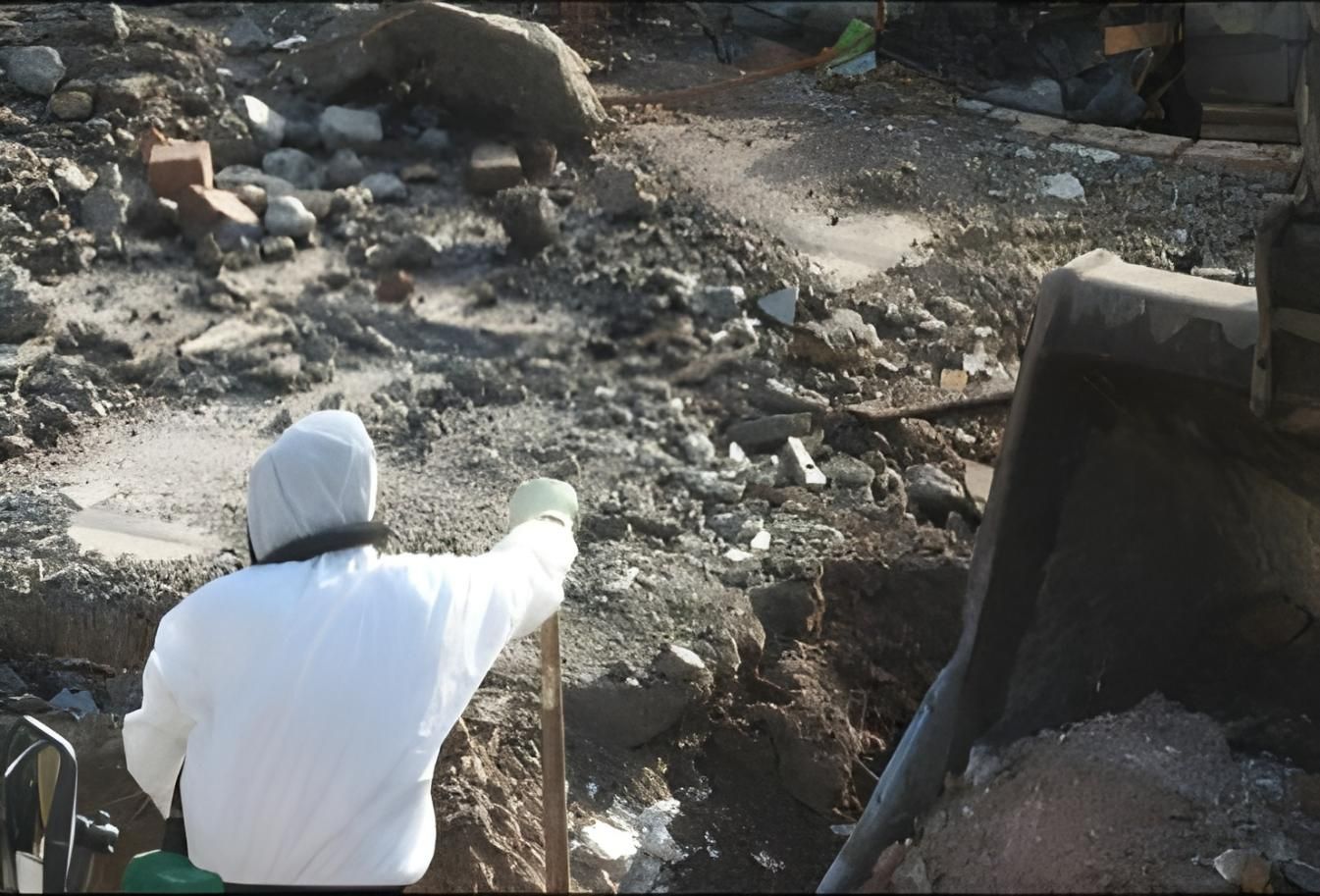
Our licensed team handles lead dust remediation by identifying, removing, and cleaning contaminated areas to prevent dangerous particles from spreading through the air, soil, or surfaces. We use controlled removal methods, HEPA-grade equipment, and approved disposal processes to make sure your property is safe and compliant before work continues.
Concerned about lead dust on your site or property in Newcastle? Call (02) 4987 2731 to book a site assessment and tailored remediation plan.
Thorough Site Preparation
Customised Project Planning
Fully Licensed Crew
Post-Job Clean-Up
Safe, Compliant Lead Dust Removal for Residential & Commercial Sites
Lead dust contamination is more common than many property owners realise. It can come from deteriorating lead-based paint, past industrial activity, contaminated soil, or even residue from previous renovations. In Newcastle, where many buildings date back decades, it’s not unusual to find lead in walls, windowsills, flooring, or even ceiling dust. The key to safe remediation is using methods that contain the dust during removal and ensure it doesn’t spread to other areas. At Husky Demolition, we follow strict industry protocols for lead dust remediation, starting with a detailed site assessment to locate and confirm contamination.
Once we’ve mapped out the affected areas, we use specialised vacuum systems with HEPA filtration, wet-wipe techniques, and encapsulation or removal methods depending on the severity. We then dispose of all waste through EPA-approved channels and can provide documentation to support compliance if you’re working on a regulated site or public building. Whether you're a homeowner, builder, or managing a commercial renovation, we keep you informed every step of the way—explaining what we’re doing and why it matters.
With our licensed team and experience across the Newcastle area, we help you move forward with confidence, knowing your space is safe, compliant, and ready for use.
What is lead dust and where does it come from?
Lead dust is made up of microscopic particles that originate from deteriorating lead-based paint, contaminated soil, old plumbing systems, or industrial residues. In homes and buildings constructed before the 1990s, especially those with layers of old paint, lead can be released into the environment as the paint flakes, peels, or is disturbed during renovations. It can settle on windowsills, floors, ceilings, carpets, and even in air ducts. Once airborne, these particles are easily inhaled or ingested—particularly by children who are more likely to touch contaminated surfaces and put their hands in their mouths. Lead dust is dangerous even in small amounts and should be professionally assessed and removed to avoid long-term health risks.
What are the health risks of lead dust exposure?
Exposure to lead dust can have serious health consequences, especially for young children, pregnant women, and people with existing health conditions. In children, even low levels of lead in the blood can affect brain development, reduce attention span, impair learning abilities, and cause behavioural problems. In adults, long-term exposure may result in high blood pressure, kidney damage, fertility issues, and neurological effects. Pregnant women are particularly at risk, as lead can cross the placenta and impact foetal development. Because lead dust is invisible and often accumulates over time, it’s important to take preventive action during renovations or when lead contamination is suspected.
How is lead dust professionally removed?
Professional lead dust remediation begins with an inspection to identify contaminated areas through surface testing or dust sampling. Once affected zones are identified, trained technicians use specialised HEPA vacuums, wet-wiping methods, and protective barriers to contain the dust and prevent it from spreading. In some cases, encapsulation (sealing the surface) or complete removal of contaminated materials may be required. All collected waste is sealed and disposed of in accordance with environmental and health regulations. The site is then re-tested to confirm it is safe for occupancy or further construction. Licensed professionals ensure that the entire process is handled safely, reducing the risk of recontamination.


