We will get back to you as soon as possible.
Please try again later.
Contact Us
Husky Demolition
Mould Remediation in Newcastle
- Full or partial structure removal
- Safe, efficient project turnaround
- Compliant with NSW regulations
Contact Us
Thank you for contacting Husky Demolition.
We will get back to you as soon as possible.
Oops, there was an error sending your message.
Please try again later.
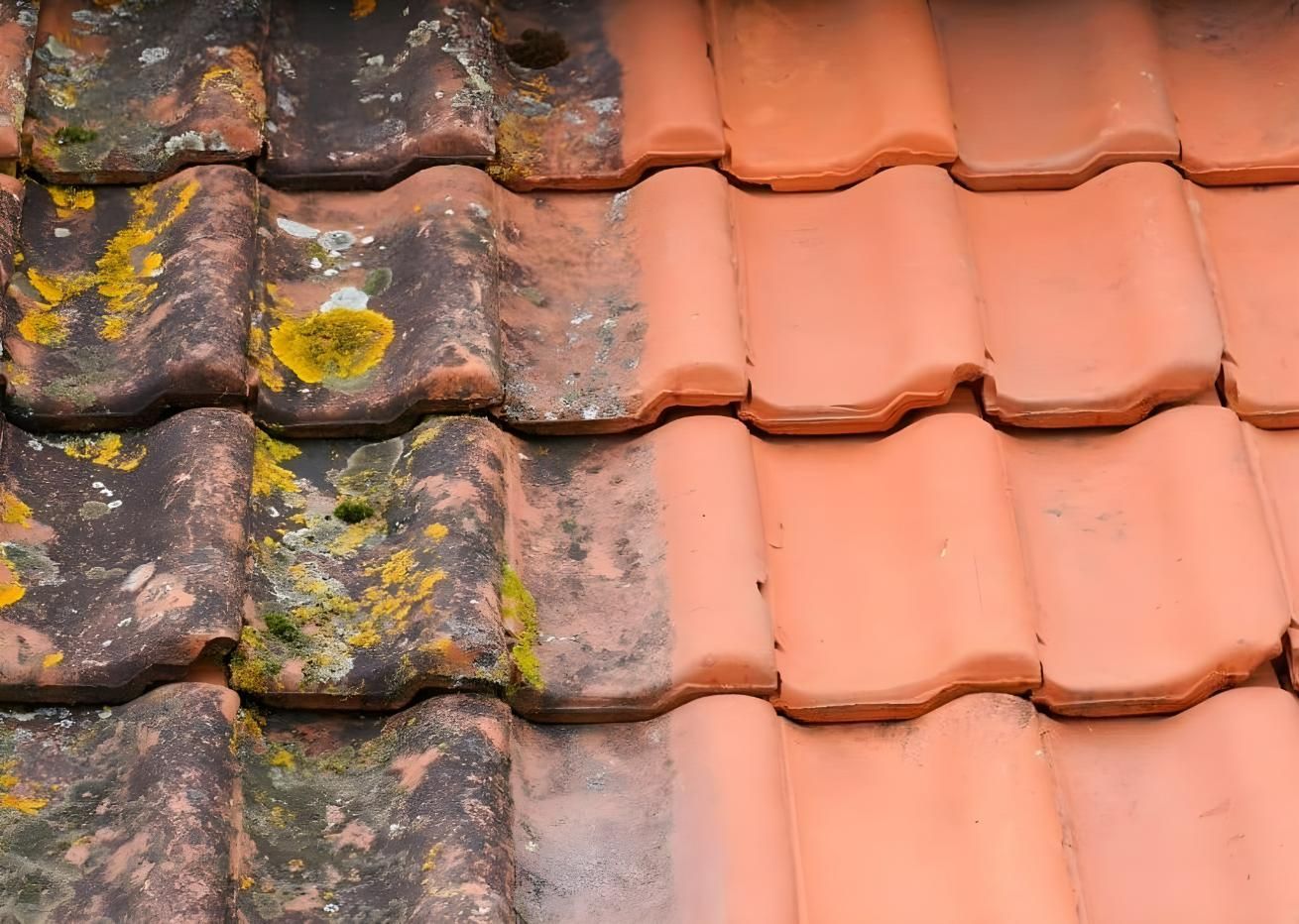
Newcastle Mould Remediation
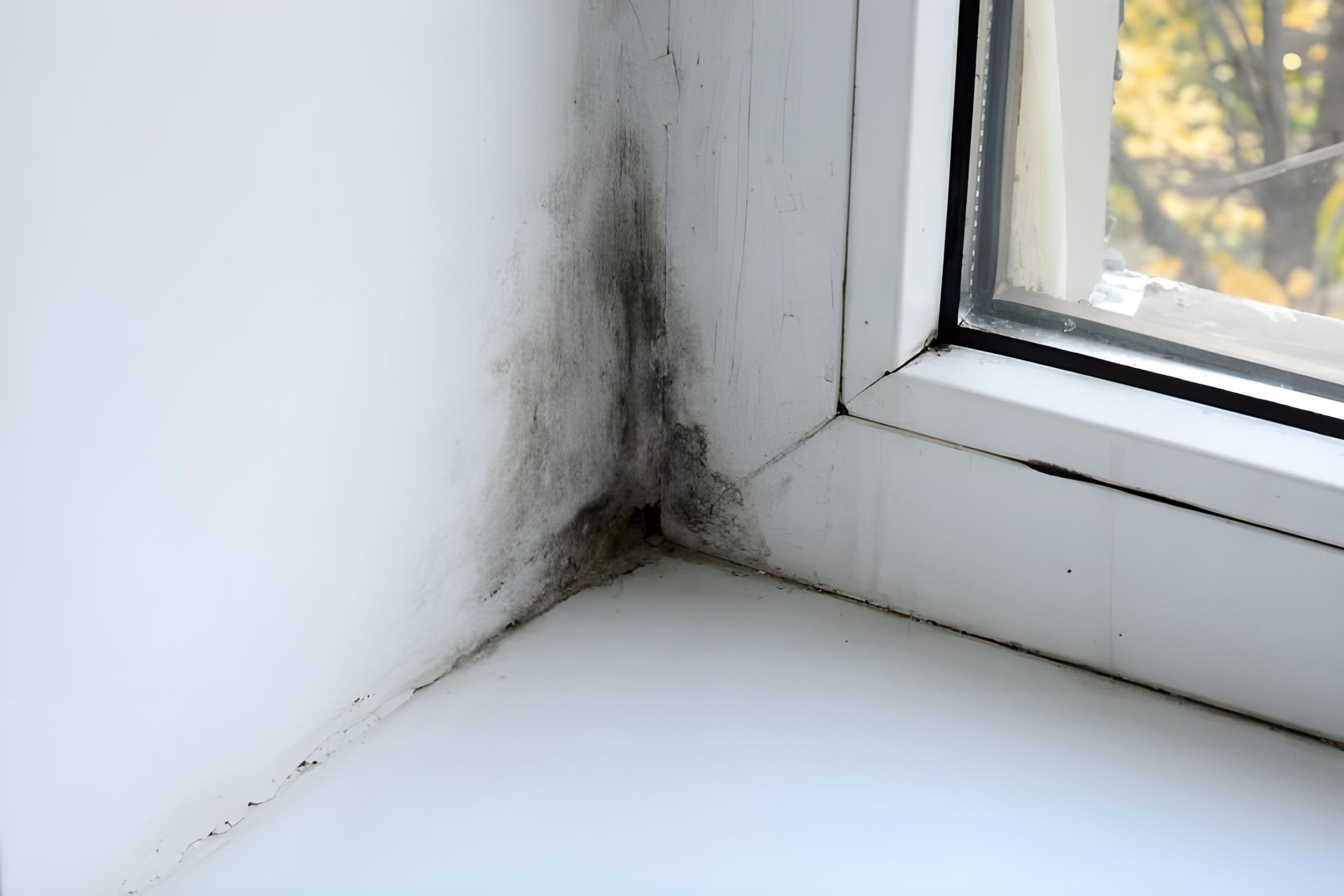
When mould shows up in your home or workplace, it’s more than just an eyesore—it can quickly affect air quality, damage building materials, and trigger serious health issues. In a humid coastal city like Newcastle, mould growth is especially common in poorly ventilated areas or properties impacted by leaks, storms, or flooding. That’s why Husky Demolition offers targeted mould remediation services designed to stop the spread at the source.
We don’t just clean the visible surface—we identify the underlying cause, remove affected materials if needed, and treat the space to prevent future growth. Whether you're dealing with mould in a residential bathroom or a commercial building after water damage, we tailor our service to suit the scale and sensitivity of your situation.
Need fast, professional mould remediation in Newcastle and surrounds? Call (02) 4987 2731 to arrange an inspection and get expert advice on your next steps.
How Mould Remediation Works & Why It Matters
Mould thrives in moist environments, often forming in ceilings, walls, carpets, and HVAC systems before you even realise it’s there. If left untreated, it can spread quickly and release spores that pose risks to health—especially for people with asthma, allergies, or compromised immune systems. In Newcastle, mould issues are common in older homes, poorly ventilated spaces, and buildings affected by storm or water damage. The key to effective remediation is more than just surface cleaning. At Husky Demolition, our team follows a structured remediation process that starts with identifying the moisture source and isolating the affected area to prevent airborne spread.
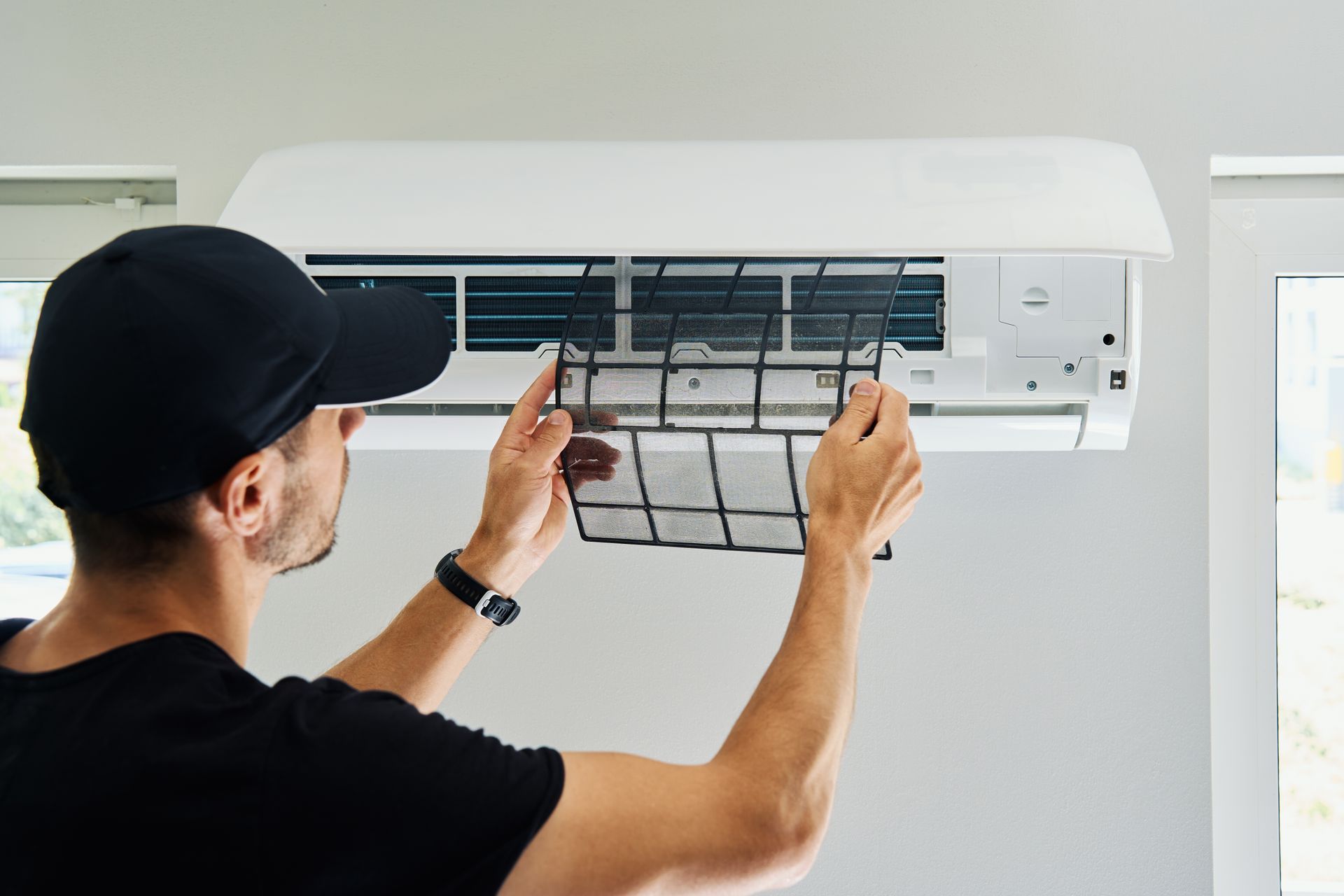
We use professional-grade air scrubbers, mould removal agents, and moisture control tools to safely clean and restore the space. If materials like plasterboard, insulation, or flooring are beyond repair, we remove and replace them with care. We also provide advice on how to improve airflow and reduce humidity to prevent mould from returning. What sets us apart is our practical, no-nonsense approach and commitment to long-term results. We explain every step, provide clear documentation if required, and ensure the site is left safe, clean, and ready to use.
Whether you're a homeowner or property manager, we make mould remediation simple, effective, and fully compliant with industry standards.
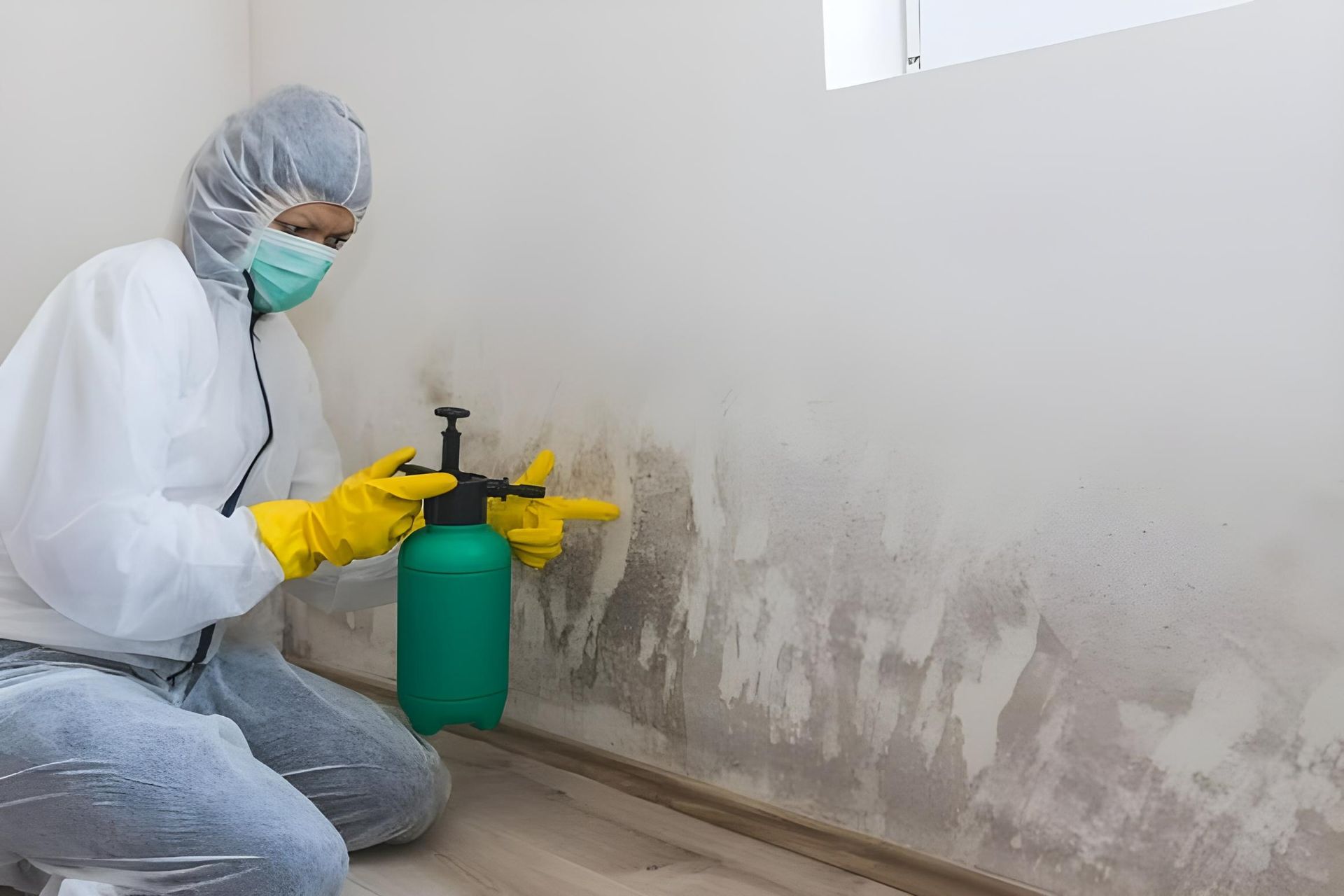
What causes mould to grow in a house?
Mould typically grows in environments with excess moisture, limited ventilation, and organic material for it to feed on. Common causes include water leaks from roofs, pipes, or windows; poor bathroom or laundry ventilation; rising damp in walls; and condensation from everyday activities like cooking and drying clothes indoors. In coastal areas like Newcastle, high humidity levels can also contribute to persistent mould growth. Once mould spores find a damp surface—such as plasterboard, carpet, wood, or insulation—they begin to spread quickly. Addressing both the moisture source and the mould itself is essential to stop the problem from returning.
Is mould dangerous to your health?
Yes, mould can be harmful to your health, particularly for people with asthma, allergies, compromised immune systems, or respiratory issues. Exposure to mould spores can cause symptoms like coughing, sneezing, eye irritation, sinus congestion, skin rashes, and in more serious cases, respiratory infections. Prolonged exposure—especially in children and the elderly—can lead to more severe health issues. Even if the mould isn’t visible, spores may still be present in the air or within building materials, which is why professional assessment and remediation are often necessary. Mould should always be treated seriously, not just wiped away on the surface.
Can I remove mould myself or do I need a professional?
Small patches of surface mould on non-porous materials like tiles or glass can often be cleaned using appropriate household cleaners or diluted vinegar. However, if the mould is extensive, keeps returning, or has spread into porous materials like plasterboard, insulation, carpet, or timber, professional remediation is strongly recommended. DIY methods often miss hidden growth or don’t resolve the underlying moisture issue, allowing mould to come back. Professionals use specialised tools like air scrubbers, moisture metres, and HEPA vacuums to safely clean, remove, and treat affected areas—especially in homes or workplaces where health is a concern.


