Husky Demolition
Soil Remediation in Newcastle
- Full or partial structure removal
- Safe, efficient project turnaround
- Compliant with NSW regulations
Contact Us
Thank you for contacting Husky Demolition.
We will get back to you as soon as possible.
Oops, there was an error sending your message.
Please try again later.
Newcastle Soil Remediation
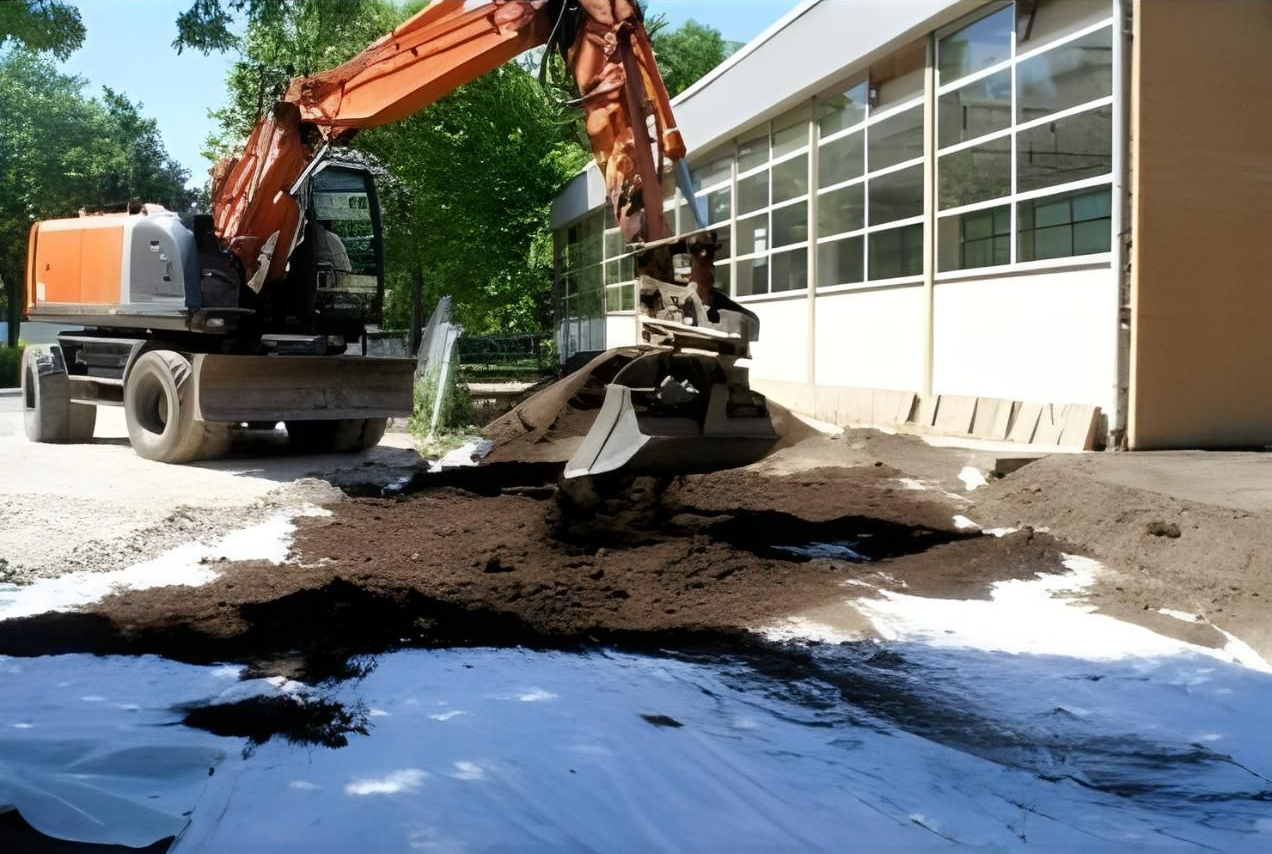
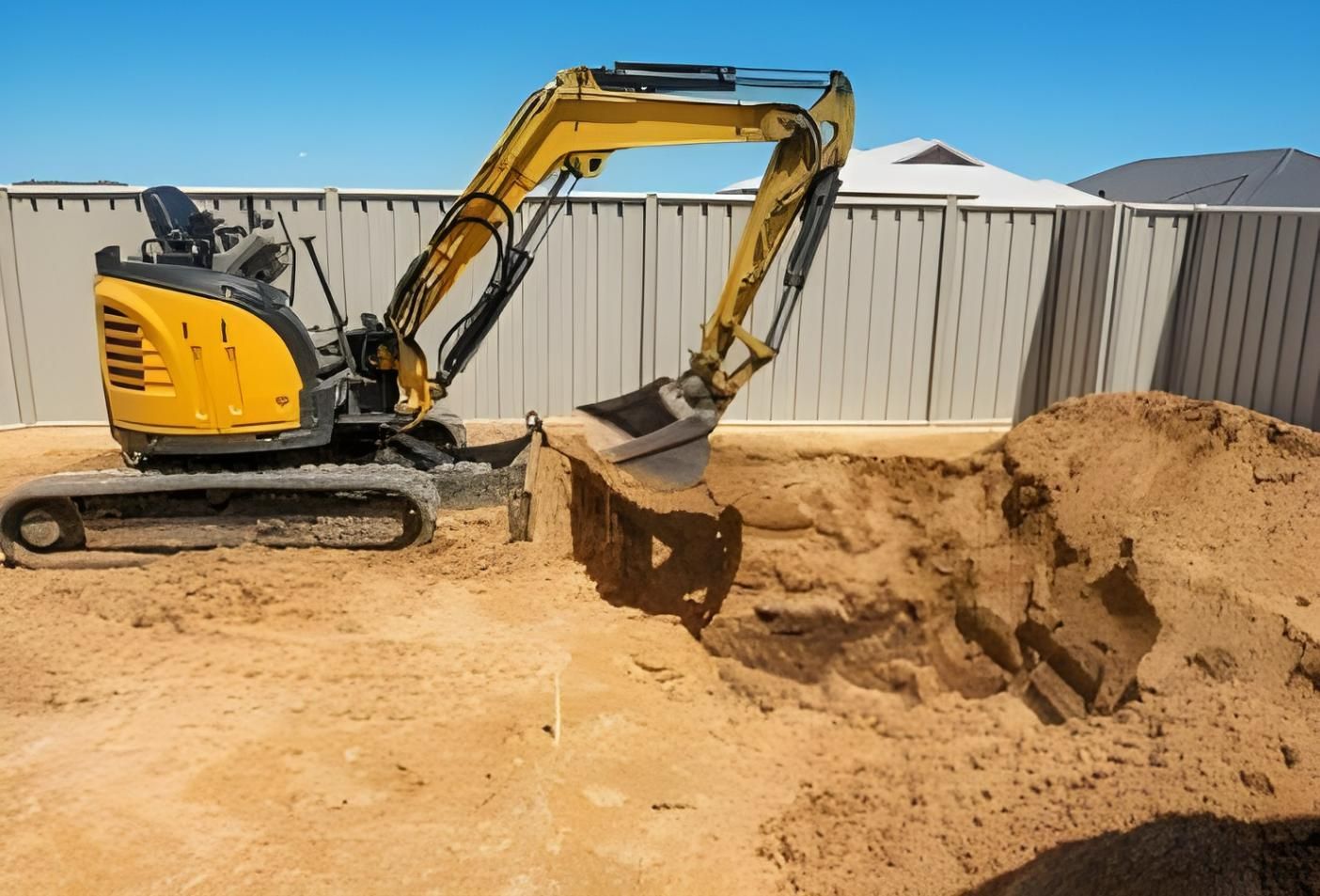
When contaminated soil stands between you and a new development, every day of delay can cost time, money, and momentum. Whether it’s leftover industrial waste, asbestos-contaminated fill, or lead from old building materials, getting your site cleared safely and legally is a must before construction can begin. That’s where Husky Demolition comes in. We specialise in soil remediation that’s practical, compliant, and tailored to your site in Newcastle and surrounds.
Our team assesses the soil conditions, identifies the contaminants, and applies the right methods to remove or neutralise the issue—minimising disruption while keeping your project moving forward. We work with developers, builders, councils, and homeowners to ensure every site we treat meets current environmental and safety standards.
Need soil remediation services in Newcastle? Call (02) 4987 2731 to speak with the team or arrange a site inspection and tailored remediation plan.
Transparent Pricing Structure
Detailed Risk Assessments
Environmentally Aware Practices
Multi-Sector Expertise
How Our Soil Remediation Services Work
Contaminated soil can come from a variety of sources—past industrial activity, buried demolition waste, leaky fuel tanks, or even older fill that contains asbestos or heavy metals. In many areas around Newcastle, especially on redeveloped land or older blocks, these contaminants can delay projects and introduce legal and environmental concerns. Our soil remediation process starts with thorough site testing to understand what’s in the ground and the scale of contamination. From there, we choose the best treatment strategy—whether that’s removing the contaminated soil, stabilising it, or treating it in place using proven remediation methods.
We handle the entire process, from soil classification and EPA-compliant disposal to documentation and clearance certificates. With our own excavation equipment and trained team, we can move quickly without relying on outside contractors. What sets us apart is not just the quality of our work, but our ability to make the process clear and manageable for clients—no jargon, no runaround. We keep communication open, timelines realistic, and paperwork in order, so you can focus on your build.
Whether you’re preparing a residential lot or managing a larger commercial site, we’ll help you get the ground ready—safely, efficiently, and with confidence.
What is soil remediation and why is it important?
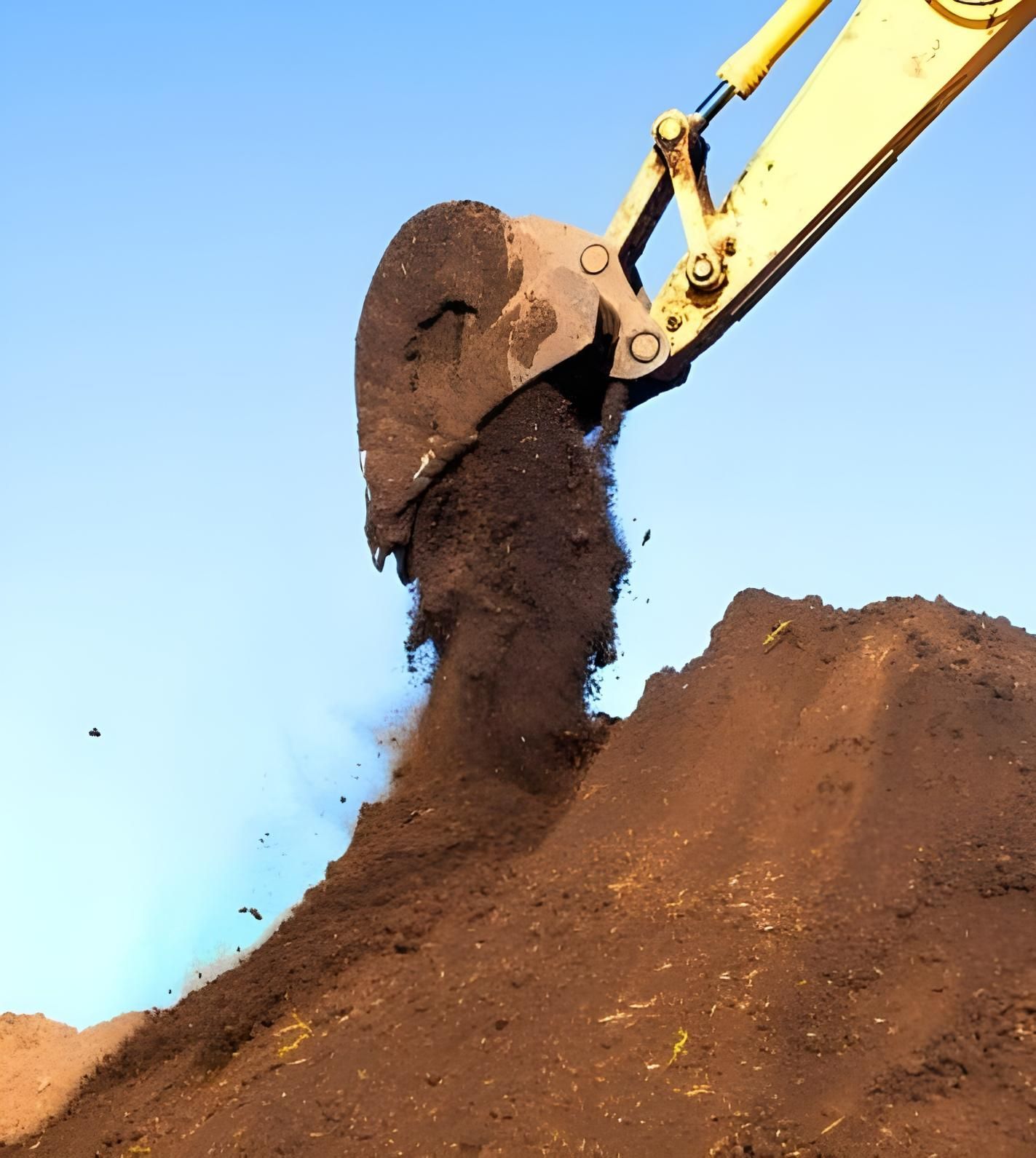
Soil remediation is the process of cleaning up contaminated soil to remove pollutants, toxins or hazardous substances. This is crucial for protecting human health, restoring land usability and preventing environmental damage. Whether caused by industrial activities, spills or agricultural chemicals, untreated contaminated soil can pollute groundwater and harm ecosystems. Effective soil remediation ensures the land can be safely reused for agriculture, construction or ecological recovery.
What are the common methods of soil remediation?
There are several common soil remediation methods, each suited to different contaminants and site conditions. These include bioremediation (using microorganisms to break down pollutants), soil washing (physically separating contaminants), thermal desorption (using heat to vaporise volatile toxins) and chemical treatments like oxidation. Selecting the right technique depends on the type of contaminants present, soil composition and project goals. A thorough site assessment is essential before determining the best approach.
How long does the soil remediation process take?
The duration of soil remediation depends on multiple factors, including the extent of contamination, the remediation method used, site size and regulatory requirements. Some projects can be completed in a few weeks, while others may take several months or even years. Bioremediation, for example, can take longer but is more environmentally friendly. A site-specific evaluation by environmental specialists will provide a clearer timeline based on conditions and objectives.


